

Are you planning a stay abroad? This seminar will help you plan. Topics to be covered. About the seminar: The seminar will be held in English. You will receive a link to the Zoom seminar when you have registered, and you will receive a reminder...
Are you planning a stay abroad? This seminar will help you plan. Topics to be covered. About the seminar: The seminar will be held in English. You will receive a link to the Zoom seminar when you have registered, and you will receive a reminder...
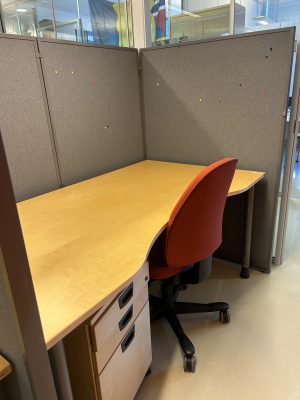
større antall stoler, pulter og skuffeseksjoner til overs.
To arrange a pick-up or for more information, please contact:
Ingri Lunde – Ingri.lunde@uib.no
Irene Hjelmaas – Irene.hjelmaas@uib.no
The furniture looks like this:
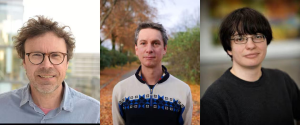
How can we identify the biological mechanisms that lead to diabetes at an early stage – and act before the disease develops? A proposed Center for Excellence in Research at UiB, iDIA, aims to change how we understand diabetes by taking personalized diagnostics and treatment to a new level.
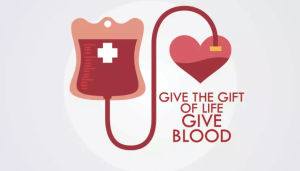
Every day, patients at Norwegian hospitals need blood. Yet too few donate. Now the Blood Bank at Haukeland is encouraging everyone who can to register as a blood donor.

Er du forskar, og vil at forskingsresultata dine skal vere til nytte for folk? Eller er du student og har ein idé om eit nytt produkt eller teneste som kan hjelpe gjere folks liv betre? UiB Idé kan hjelpe deg…
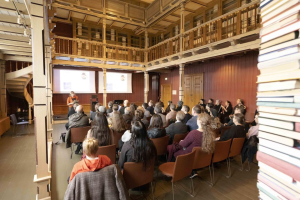
Hvordan kan vi nå bredere ut med forskningen vår – og hva trenger forskere og kommunikasjonsmedarbeidere for å lykkes med formidling i 2025? Den 19. februar inviterer UiB til nytt Formidlingsforum, en møteplass for alle vitenskapelig ansatte og ansatte som jobber med kommunikasjons- og formidlingsstøtte.

• Falchs Juniorpris: 100.000 kr i driftsmidler for fremragende forskere under 40 år. Forslag kan fremmes av instituttledere og professorer.
• Falchs Seniorpris. 150.000 kr for fremragende lederskap innen medisinsk forskning. Forslag kan fremmes av instituttledere.
Vennligst se vedlagt utlysningsteks for utfyllende informasjon. – finn ved å trykke «les mer»
The deadline for submitting a nomination is March 5, 2026.
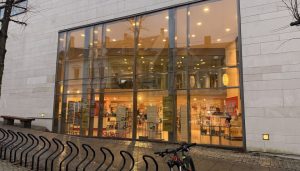
Norli vil overta driften av universitetsbokhandelen på Studentsenteret fra Akademia i juni. Bokhandelen skal fortsatt være en sentral del av studentmiljøet og tilby pensumlitteratur, fagbøker og et bredt utvalg akademisk litteratur til konkurransedyktige priser. Planlagt åpning i juni Planlagt åpning…
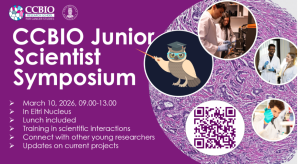
Welcome to CCBIO's first Junior Scientist Symposium in 2026, on March 10th! Lunch is included, but remember to register first, also in Studentweb with the course code CCBIO901 if we want credits.
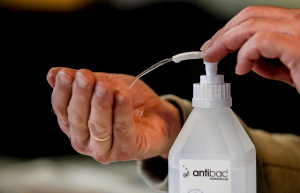
The Infection Control Act from 1994 is currently under revision. The Helse- og omsorgsdepartementet has conducted a broad and comprehensive review of the Act to ensure that the necessary legal authority is in place to handle potential crisis situations. Experiences from the COVID 19 pandemic have been central to this work, but the Defence Commission, the Civil Protection Act, and the Health Preparedness Report have also provided grounds for changes. Provisions used every day in the country’s municipalities and hospitals have been assessed.

En ny studie viser at blodet vårt inneholder langt mer informasjon om hjertesykdom enn tidligere antatt. Ved hjelp av avansert dataanalyse har forskere fra blant annet Bergen og Reykjavík kartlagt hvordan hundrevis av blodproteiner samspiller – og hvordan disse mønstrene…
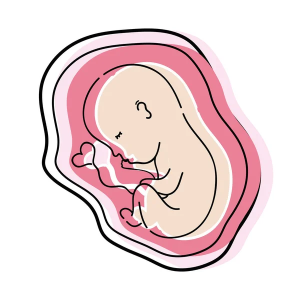
A new study shows that children born with only one artery in their umbilical cord have a slightly increased risk of certain developmental disorders later in life. However, for the vast majority of children, this does not appear to affect development.
The Three Minute Thesis (3MT) is an international research communication competition that challenges PhD candidates to present their research in just three minutes, using a single static slide, to a general audience. The competition was originally developed at the University of Queensland in 2008 and has since grown into an international event, with competitions organised by networks such as the Coimbra Group and SANORD. UiB invites PhD candidates from all disciplines to participate in our internal 3MT competition. The winner will represent UiB in the international finals of the Coimbra Group and SANORD.