

Employees at UiB can apply for Erasmus+ grants for short training stays at universities, companies or organizations in Europe. The stay is intended to provide professional enrichment, new ideas and sharing of good practice.
Employees at UiB can apply for Erasmus+ grants for short training stays at universities, companies or organizations in Europe. The stay is intended to provide professional enrichment, new ideas and sharing of good practice.

Every Friday we invite you to an open house at Eitri from 1:00 PM. We also invite guests to give a short waffle pitch, with exciting topics such as health, innovation, projects, research, politics, business development and much, much more. A great opportunity for both mingling and professional enrichment.
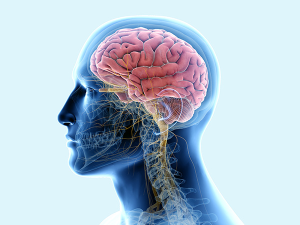
Nyquist's Endowment for Brain Research is now announcing project funding, with a deadline of May 1, 2026.
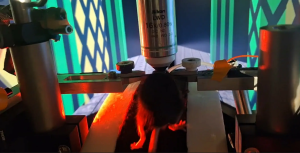
Imagine a friend meets you at the train station and shows you the way to his house. You have to find your way back yourself.

KG. Jebsen Centre for Myeloid Blood Cancer (CMYC) is pleased to invite you to an upcoming interactive workshop, Statistics in Clinical Trials, where clinicians, clinical researchers and statisticians come together to explore methods, share experiences, and enhance collaboration in designing and analyzing clinical research.

When research meets the public, a field of tension arises: The need for nuance and professional precision often contrasts with the desire for short, clear answers and clear positions. How can we be clear without becoming too blunt – and at the same time preserve the complexity of the research?

We invite you to a Teams meeting with training and information for those who will be ordering Assignments or Work Contracts via the DFØ Self-Service Portal (the ToA solution). This is suitable for new customers who rarely order from the units.
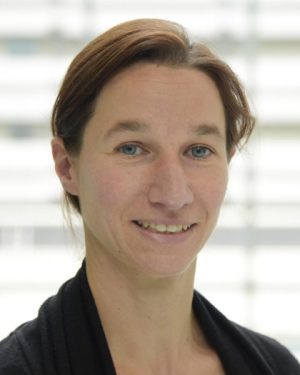
Dear everyone,
I am very happy to welcome Nina Langeland as deputy head of the management team at K2. Nina was Norway's first female dean of a medical faculty (2009-2017) and is well used to standing in the storm. Her experience in handling a demanding economy, combined with her good knowledge and understanding of the university and the hospitals, will be of great help to K2 in the work of getting into financial balance.
I am very happy to welcome Nina Langeland as deputy head of the management team at K2. Nina was Norway's first female dean of a medical faculty (2009-2017) and is well used to standing in the storm. Her experience in handling a demanding economy, combined with her good knowledge and understanding of the university and the hospitals, will be of great help to K2 in the work of getting into financial balance.
Have a great weekend!
Silke
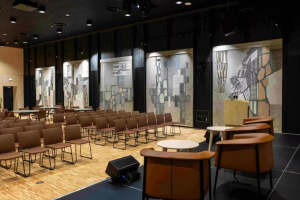
Welcome to the final of UiB's Three Minute Thesis competition (3MT) in the Great Hall at Nygårdsgaten 5.